RV battery monitors — voltage meter, shunt or portable power station?
A buyer checklist explaining when monitoring matters and how to compare equipment before purchasing.
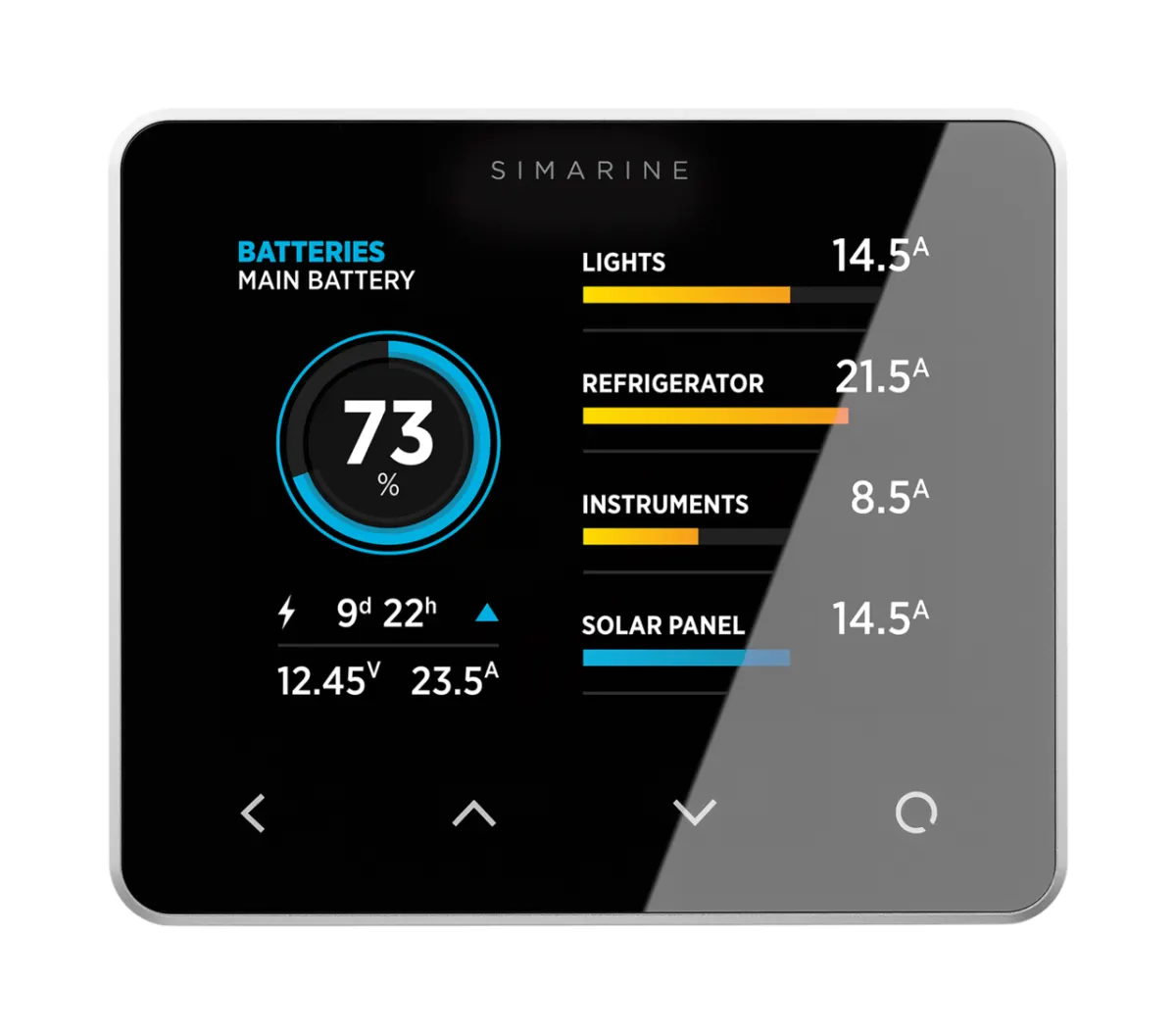

What do you actually need to know?
A basic voltage display tells you battery-terminal voltage. It does not directly count energy used. A shunt monitor observes current flowing into and out of a battery and can estimate state of charge when configured and periodically synchronized correctly. A packaged power station may already show an estimate, but its display does not always reveal the underlying assumptions.
Questions to answer before buying a monitor
- What chemistry, voltage and amp-hour rating does the battery use?
- Can all relevant current pass through the measurement point? This requires safe, model-specific installation.
- Do you need a permanent wall display or would Bluetooth to a phone work?
- Will the monitor remain usable with no internet access?
- Is the device compatible with the rest of your battery system and its expected maximum current?
Merchant research — not product endorsements
The following official merchants have publicly advertised affiliate programs. We have not joined them, tested their hardware, or established a ranked winner. Links below are ordinary merchant links, not affiliate tracking links.
Renogy
RV and solar electrical products. Compare official documentation before deciding.
Visit Renogy ↗BLUETTI
Portable power stations and associated equipment. Check rated capacity and usable output.
Visit BLUETTI ↗Compute the energy requirement first →
Turn your result into an equipment checklist
No fabricated product tests or affiliate claims. Compare verified specifications before buying.